
Designing a sunroom is the to invite the beauty of nature into a home. With the right design choices, a sunroom can enhance natural light significantly, creating a bright and airy space for relaxation, entertaining, or even working from home. Specific design elements can transform any sunroom into a serene retreat that harmonizes with its landscape.
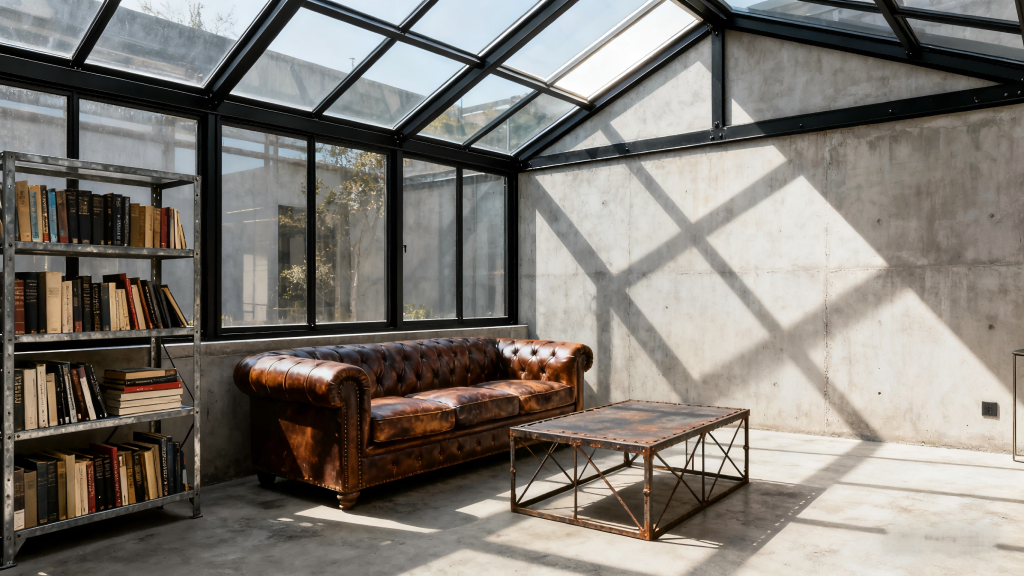
Choosing the right orientation for a sunroom plays a pivotal role in maximizing natural light. A sunroom facing south is ideal for capturing sunlight throughout the day. Solar gain, which is the increase in heat that occurs when sunlight shines through windows, is particularly effective in this setup. This orientation not only allows for more sunlight but also provides an opportunity to enjoy warm winter days. Homeowners may also consider strategically placed windows that allow for cross-ventilation, ensuring that the sunroom remains comfortable year-round. In addition to the benefits of light, the right orientation can enhance the view of the outdoors, connecting the interior space with the natural beauty outside.
Selecting large windows is crucial for creating an open atmosphere within a sunroom. Expansive windows allow ample sunlight to flood the room while also providing unobstructed views of the surrounding landscape. Sliding glass doors, awning windows, or even bi-fold doors can contribute significantly to this design element. Moreover, window materials are important; double or triple glazing enhances insulation while preserving visibility. Glass types like Low-E can minimize UV rays, protecting furniture and decor from sun damage while still allowing visible light in. The thoughtful integration of large windows can make a sunroom feel spacious and inviting, transforming it into a delightful retreat at any time of the year.
The integration of skylights can dramatically enhance natural light within a sunroom. By placing skylights in strategic positions, homeowners can allow even more light to enter from above. This approach not only increases brightness but also adds an interesting architectural element to the space. Skylights come in various shapes and sizes, so they can be customized to suit the specific design of the sunroom. Additionally, vented skylights can improve ventilation, allowing hot air to escape and maintaining a comfortable temperature inside. The addition of skylights can create a unique ambiance, making a sunroom feel even more expansive and connected to nature.
Incorporating reflective surfaces can further amplify natural light in a sunroom. Thoughtful additions like mirrors, glass decor, and even metallic finishes can redirect sunlight deeper into the room. For instance, placing mirrors across from windows can enhance light flow and make the space feel brighter. Reflective furnishings such as glossy tables or light-colored upholstery can also contribute to the overall ambiance. Not only do these design elements enhance the aesthetics of the room, but they also create a lighter atmosphere that uplifts the mood. Exploring the possibilities of reflective surfaces can help transform a dull space into a vibrant and illuminating sunroom.
Plant life can add not only beauty to a sunroom but also enhance the experience of natural light. Positioning indoor plants near windows can encourage growth while maximizing the sunlight absorbed by the plants. The use of greenery in the sunroom creates a serene environment, contributing to a connection with nature. In addition, plants can play a role in improving air quality through natural filtration processes, making the sunroom feel fresh. From tall potted trees in the corners to herbs on the windowsill, incorporating various plant types can create a lively and aesthetic appeal. Not only do plants enhance the decor, but they also make the sunroom feel like a natural extension of the outdoors.
Using light colors and materials can significantly impact how sunlight is perceived in a sunroom. Light-colored walls, ceilings, and furnishings can reflect more light, enhancing the brightness of the space. For instance, soft whites or pastel hues can make a sunroom feel airy and open. When selecting materials like flooring and fabrics, choosing those in light shades can help maintain the sunlit ambiance. Additionally, translucent window treatments can allow natural light to filter in while providing privacy. By utilizing light colors throughout the design, the sunroom can maintain a bright atmosphere, making it a cheerful and uplifting space for all who enter.
Creating a multi-functional sunroom can maximize its usability, ensuring that it can serve multiple purposes throughout the day. Whether designed as a reading nook, a home office, or a casual dining area, a flexible layout can enhance the connection with natural light. Comfort is key, so incorporating cozy seating options and adaptable furniture like foldable tables can ensure that the sunroom can meet various needs. Thoughtful lighting lay