
When selecting a water heater, several critical factors come into play. It’s essential to choose one that fits your household needs and efficiency preferences. Evaluating all the options can seem overwhelming, but understanding key aspects will help streamline the decision-making process. Familiarity with the different types and features available can lead to a satisfying purchase.
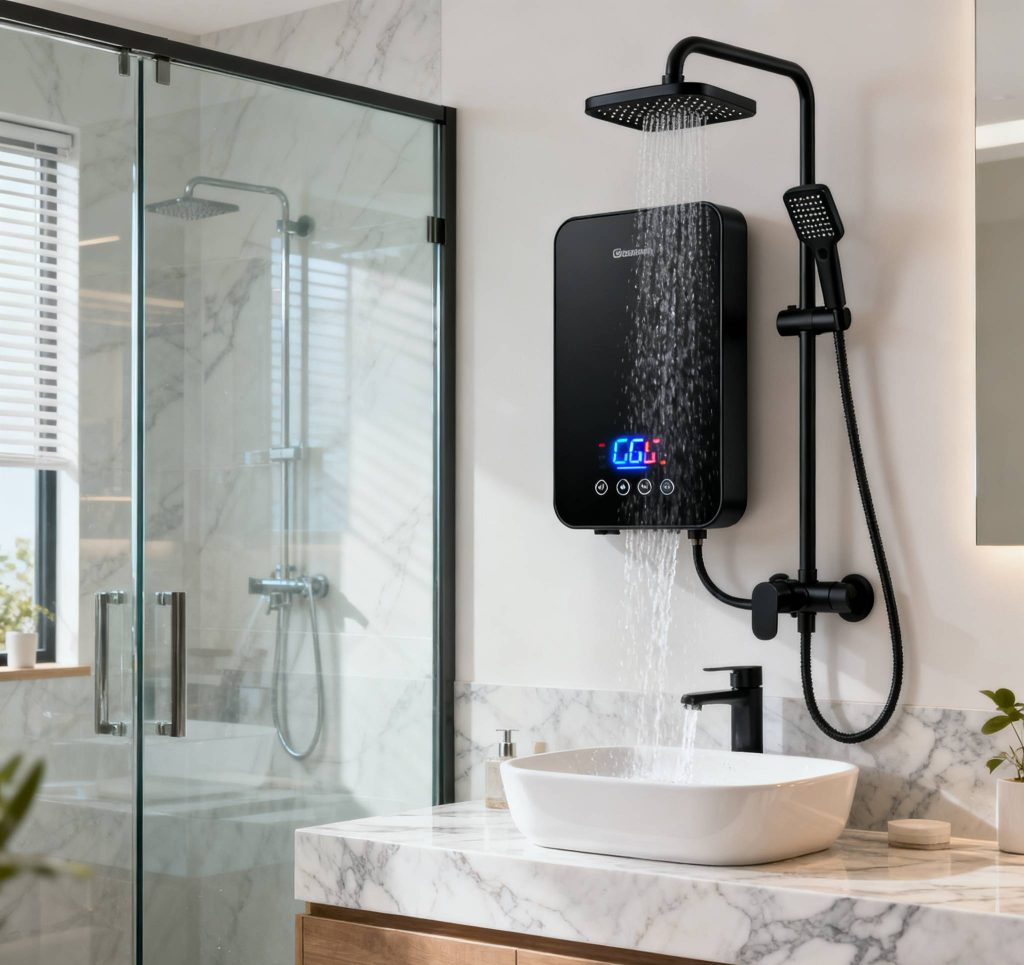
Choosing the Type of Water Heater
The first decision involves picking the right type of heater. The most common options include tank water heaters, tankless models, and heat pump water heaters. Tank water heaters store hot water in a reservoir, providing a limited supply that can run out during heavy use. On the other hand, tankless models heat water on demand, offering a continuous flow but potentially lacking in supply during simultaneous heavy usage. Heat pump water heaters utilize electricity to transfer heat from the air or ground, making them energy-efficient. Understanding the pros and cons can not only impact performance but also influence long-term utility costs.
Size Matters
The size of the water heater is another crucial aspect to consider. A unit that is too small may not meet household demands during peak times, forcing people to wait for hot water. Conversely, an oversized unit can lead to unnecessary energy consumption. For traditional tank models, a household typically requires at least 30 to 50 gallons for adequate hot water supply. For tankless models, the size is measured by flow rate, which should match peak usage. Knowing family needs and flow rates can help ensure that the selected unit will deliver ample hot water whenever required, avoiding frustrations during morning routines.
Energy Efficiency Ratings
Energy efficiency is a vital element when choosing a water heater. Consider units with high energy efficiency ratings, typically labeled by the Energy Factor (EF) metric. A higher EF indicates a more efficient heater, which in turn, translates to lower monthly utility bills. Tankless water heaters often shine in this area since they heat water only when necessary, significantly cutting down idle costs associated with tank models. Additionally, some regions offer incentives for energy-efficient installations, making it an attractive avenue for both environmental and financial savings.
Fuel Type Considerations
The fuel type for the water heater can greatly affect efficiency, costs, and performance. Common fuel types include electricity, natural gas, propane, and solar. Each comes with its own set of operational costs and efficiencies. Natural gas units generally offer lower operating costs but may require additional installation considerations, like venting. Electric heaters are easier to install but can reflect higher utility costs, especially in regions with expensive electricity. Solar water heaters, while offering long-term savings and environmental benefits, can be more expensive upfront and may depend on geographic location heavily. Prospective buyers should assess local utility rates and availability of fuel types in their area to make an informed decision.
Noise Levels
While often overlooked, noise levels can be an important factor in selecting a water heater, particularly for those who cherish a quiet living space. Traditional tank models and some heat pump units may produce noticeable operational sounds. Conversely, certain tankless models are engineered for quieter operations. Users who prefer peace and tranquility should physically examine various models in a showroom or read reviews to ensure that their choice won’t disrupt the home environment, particularly in bedrooms or quiet zones.
Cost and Budget
Budget constraints often play a significant role in determining which water heater to choose. It’s essential to consider both upfront costs and long-term operating expenses. Tank water heaters may have lower initial purchases but can incur higher monthly bills due to their continuous heating needs. In contrast, tankless systems often require a more considerable initial investment; however, the potential savings on utility bills may balance that out over time. Homeowners should also account for installation costs, potential upgrades to electrical or gas lines, and long-term maintenance when evaluating the total budget for any chosen water heater.
Installation and Maintenance
Finally, understanding installation requirements and future maintenance is crucial when choosing a water heater. Professional installation is often necessary for most types, particularly for gas and heat pump models, due to safety regulations. Be sure to factor in installation costs, which can vary significantly depending on local labor rates. Additionally, routine maintenance is necessary to ensure longevity and efficiency. Tank models require regular flushing to prevent sediment build-up, while tankless units may necessitate descaling. Familiarity with these needs prior to purchase can contribute to a more satisfactory experience moving forward.
Selecting a water heater is a significant decision that requires careful thought and consideration of various elements, including type, size, efficiency, fuel type, noise levels, cost, and installation. These factors collectively lead to an informed decision that impacts day-to-day life in comfort and energy bills over time. By taking the time to evaluate specific household needs and researching available options, individuals can find the perfect water heater to meet and exceed their expectations. Always keep in mind that your investment will last many years, so prioritizing quality and efficiency will lead to long-term satisfaction.