Keeping a roof in great condition is essential for the overall health of a home. Regular maintenance and timely repairs can significantly extend the lifespan of a roof, saving homeowners from costly replacements down the line. Here are some effective tips on roof repair to consider.
Regular Inspections
Performing regular inspections is crucial for maintaining a roof’s integrity. Ideally, homeowners should check their roofs at least twice a year: once in spring and once in fall. During these inspections, it’s essential to look for signs of damage, such as missing shingles, leaks, and rusted flashing. Noticing small issues early on can prevent them from escalating into more significant problems, which can lead to expensive repairs or even replacement. Additionally, inspecting the attic for proper ventilation and light infiltration can give clues about potential roofing issues.
Addressing Missing or Damaged Shingles
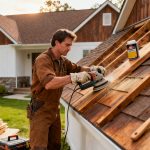
Shingles are the first line of defense against elements like rain, wind, and snow. If any are missing or damaged, it’s important to address them promptly. Replacing shingles might seem daunting, but it’s often a manageable task for those who are handy. A common recommendation is to use shingles that match the existing roof in style and color for a seamless appearance. If the damage is extensive, consulting a roofing professional for advice might be ideal. Ensuring the shingles are properly sealed and secured can prevent future leaks and extend the roof’s lifespan.
Maintaining Gutters and Downspouts
Gutters play an essential role in directing water away from the roof and foundation. Clogged gutters can cause water to back up onto the roof, leading to rot and other structural issues. Regular gutter cleaning during the fall and spring can help mitigate this risk. Homeowners should also inspect downspouts to ensure they are directing water far enough away from the home’s foundation. A well-maintained gutter system not only protects the roof but also enhances overall home longevity.
Checking Flashing
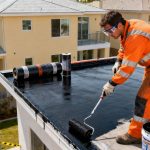
Flashing, typically made of metal, is installed around chimneys, vents, and other roof openings to prevent water from seeping in. Over time, flashing can become loose or corroded. It’s advisable to inspect flashing during routine roof checks; any gaps or damages should be addressed promptly. Replacing or resealing flashing can prevent water intrusion and further structural damage, thus extending the lifespan of the roof significantly.
Cleaning the Roof Surface
A clean roof is vital for its longevity. Moss, algae, and debris can trap moisture against the roofing materials, leading to premature decay. Regular cleaning can keep these elements at bay. Homeowners can use a mixture of water and gentle cleaning agents or a soft brush to remove these growths without damaging the roof. For those uncomfortable with heights or roof work, hiring professional cleaning services can ensure the job is done safely and effectively.
Managing Tree Overhangs
Trees provide shade and can help cool a home, but overhanging branches can pose a risk to a roof. During storms, branches may break off and damage the roof surface. Additionally, falling leaves and debris can accumulate on the roof, contributing to moss and algae growth. It’s wise to trim branches that are too close to the roof regularly to protect it from potential damage and ensure proper light and airflow can keep the roof dry and healthy.
Keeping Ventilation Proper
Adequate roof ventilation is crucial for reducing moisture buildup, which can lead to mold and rot. A poorly ventilated roof can trap heat in the attic, leading to increased energy costs and a decrease in roof lifespan. Homeowners should check that soffit and ridge vents are unobstructed and functioning correctly. Inadequate ventilation solutions could involve installing additional vents or consulting a roofing professional for advice. Maintaining a balance between intake and exhaust ventilation is key to keeping a roof healthy and prolonging its service life.
Taking care of a roof is not just about repairs; it’s about ensuring the longevity and functionality of a critical home component. Engaging in regular inspections, addressing issues promptly, keeping gutters clean, maintaining flashing, cleaning the roof, managing tree overhangs, and ensuring proper ventilation all work together to extend the lifespan of a roof. Implementing these effective tips not only protects the investment made in a home but also fortifies the safety and comfort that a well-maintained roof provides.