
Transforming a living space can often feel like a daunting task, but with the right furniture furnishing tips, it can also be an exciting and fulfilling journey. Whether you’re refreshing a room or reimagining an entire home, the placement and choices of furniture play a critical role in defining the mood and functionality of the environment. Here are some expert insights to help create a space that truly feels like home.
Finding Your Style and Purpose
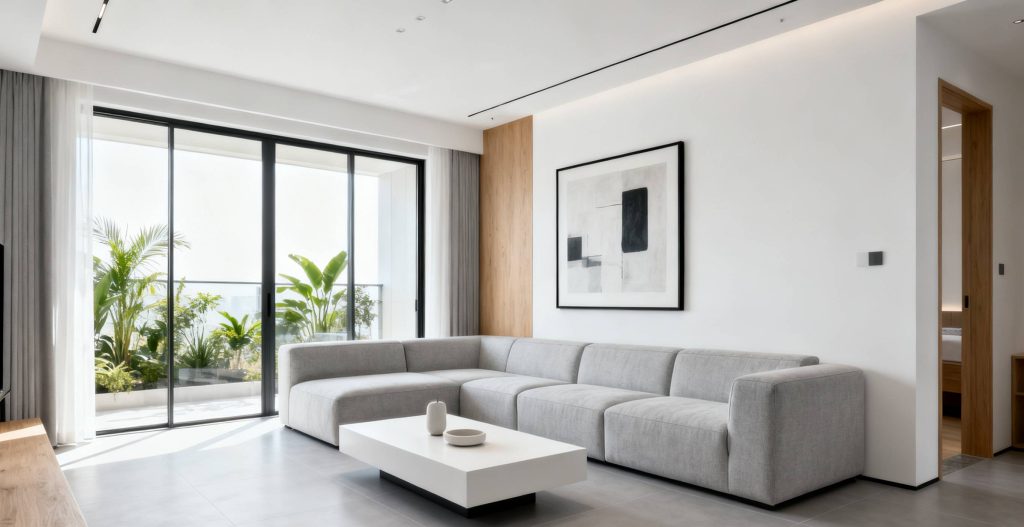
Identifying personal style is the first step in transforming any space. Whether you lean towards minimalism, rustic charm, or contemporary elegance, understanding your tastes can help guide furniture choices. It’s important to assess how you intend to use each room. For instance, if a space is primarily for relaxing or entertaining, opt for comfortable seating and a layout that promotes conversation. Balancing aesthetics with functionality is crucial. A room that looks beautiful but lacks accessibility will only frustrate those who use it. Researching online or visiting showrooms can inspire choices that resonate with personal style while also considering practicality.
Prioritizing Space and Layout
Space planning is fundamental in furniture design. Before purchasing new items, take time to measure your rooms accurately. This allows for better decision-making regarding what fits comfortably. There’s a common misconception that people must fill every available space with furniture, leading to overcrowded and cramped environments. Instead, thoughtful placement can enhance flow and create an open, inviting atmosphere. Furniture pieces should be arranged to encourage movement while also defining areas within the room. For example, positioning seating in a way that encourages dialogue can dramatically influence the room’s vibe.
Choosing the Right Furniture Materials
Material selection is another essential aspect when furnishing a space. The choice between wood, metal, fabric, and other materials can influence the overall feel and durability of furniture. For instance, wooden pieces can add warmth and character, while metal options often lend a modern edge. The fabric selected for upholstered items is equally vital—durable options like leather are perfect for high-traffic areas, while softer materials can create a cozy, inviting look. Factoring in the lifestyles of those who will inhabit the space, including children or pets, can help in making material choices with longevity and upkeep in mind.
The Power of Colors and Textures
Colors and textures are no less important than the furniture itself. Each hue can evoke different emotions; cool colors may induce calmness, while warmer shades can create a more inviting environment. It’s essential to consider not just the color of large furniture pieces but also how they interact with accents such as cushions, rugs, and wall colors. Textures also play a significant role in creating depth and interest. Mixing different materials—such as soft fabrics with sleek metals or rough woods—can bring a distinctive character to a space, making it feel layered and curated rather than flat or one-dimensional.
Incorporating Personal Touches
Personalization can truly transform a space into a reflection of oneself. Adding unique touches like artwork, family photos, or souvenirs from travels can give a room its character. Consider integrating elements that spark joy or tell a story. This effort not only makes the space feel inviting but also connects the occupants personally to their environment. Small details—in the form of decorative pieces, plants, and even bookshelves filled with favorite reads—create warmth and comfort. They invite exploration and curiosity, making spaces feel lived-in and loved.
Lighting: The Unsung Hero
Often overlooked, lighting plays a crucial role in how furniture is perceived and enjoyed. Different fixtures can drastically alter the ambiance of a room. Natural light is ideal but may require strategic placement of mirrors and lighter materials to maximize its effect. Consider installing layered lighting options, such as overhead fixtures combined with floor and table lamps, to create a versatile and appealing atmosphere. Dimmers are perfect to adjust the brightness based on the time of day and mood requirements. Opting for warm-toned bulbs can also warm up a space, creating a feel of coziness and relaxation that’s perfect for evening gatherings.
Creating Functional Zones
Recognizing the significance of zones in a multi-purpose space can enhance the overall usage. This is especially crucial in smaller areas or homes with open floor plans. Furniture can serve as an anchor for creating specific zones—like a reading nook with a chair, lamp, and shelf or a workspace with a desk and ergonomically designed chair. Using rugs or furniture arrangement can help delineate these spaces while maintaining an open flow. This design philosophy increases functionality without sacrificing style, ensuring each area serves its designated purpose while maintaining harmony throughout.
Spending time and effort on furnishing a space pays off in creating an environment that feels cohesive and welcoming. By aligning personal style with functionality, considering space and layout, selecting appropriate materials and colors, incorporating personal touches, and investing in proper lighting, a home can be transformed into a sanctuary. Each decision—whether grand or subtle—contributes to an overall atmosphere that not only meets daily needs but also reflects the personalities of those living within. Embrace the journey of furnishing with an open mind and creative spirit, and enjoy the process of making a space uniquely your own.