
When it comes to ensuring access to clean and safe drinking water, the choice of water filtration equipment plays a vital role. With a multitude of options available, finding the right system can be challenging. Understanding specific needs, types of filtration, and maintenance requirements is essential for making an informed decision.
Understanding Your Water Quality
Before choosing a water filtration system, it’s important to assess the quality of your water. Conducting a water test can help identify contaminants and impurities present in your supply. Common pollutants include chlorine, sediment, heavy metals, and bacteria, which can affect both taste and safety. Various jurisdictions have guidelines on acceptable water quality, and local water utility companies may provide general reports outlining the status of public water systems. For those using well water, private testing is crucial since it might contain higher levels of certain contaminants that might not be present in municipal supplies. Armed with this information, consumers can narrow down the filtration systems that best suit their specific needs.
Types of Water Filtration Systems
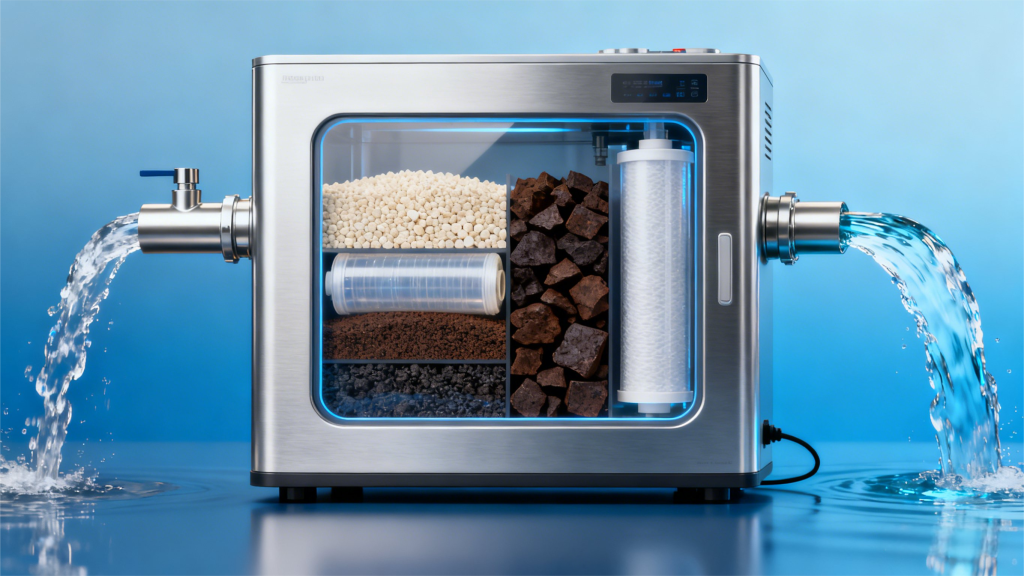
Water filtration systems come in various types, each designed for specific purposes. Carbon filters are the most widely used, effectively removing chlorine, sediment, and volatile organic compounds while improving taste and odor. Reverse osmosis systems, on the other hand, are advanced setups that can eliminate a broad range of contaminants, including heavy metals and microbes, making them ideal for areas with compromised water quality. UV filters use ultraviolet light to disinfect water, neutralizing bacteria and viruses without the addition of chemicals. Distillation is another effective method that boils water and then condenses the steam back into liquid, effectively separating impurities. Understanding these types ensures that individuals select a system that addresses their unique water quality challenges and health concerns.
Filter Lifespan and Maintenance
Regular maintenance is critical to ensure the longevity and efficacy of a filtration system. Each type of filter has a different lifespan that can affect its performance. For example, carbon filters typically need replacement every 6 to 12 months, depending on usage levels, while reverse osmosis membranes may last 2 to 5 years. It is important to be aware of these timelines to maintain the supply of safe drinking water. Neglecting scheduled maintenance can lead to decreased filtration performance and potential health risks. Additionally, most systems come with guidelines for maintaining their components, and consumers should familiarize themselves with these instructions to ensure optimal function over time.
Size and Capacity Considerations
The size and capacity of water filtration equipment are also crucial factors to consider. For smaller households, a compact under-sink filter might suffice, while larger families or those with higher consumption levels may need whole-house systems capable of supplying multiple taps simultaneously. Assessing daily water usage helps in determining the required capacity of the filtration system. Furthermore, space constraints should also be evaluated, as some home environments may not accommodate larger units without compromising household dynamics. Consumers should measure available space before deciding on the type of filtration system, ensuring they choose one that fits comfortably without obstructions.
Budget and Installation Costs
Cost is often a primary concern when selecting water filtration equipment. Budget-conscious consumers should not only consider the initial purchase price but also ongoing expenses such as replacement filters, maintenance, and installation costs. While some advanced systems may require a larger upfront investment, they often offer better long-term savings regarding efficiency and health benefits. It’s also important to factor in whether professional installation is needed, as this can add significantly to the overall cost. Certain systems are designed for DIY installation, making them more accessible for those looking to cut down on expenses. Understanding the economic implications of each option is essential for choosing a system that balances affordability with efficiency.
Health Benefits of Clean Water
Access to clean water is fundamental for maintaining overall health. Consuming water that is free from contaminants can prevent various diseases and contribute to a healthier lifestyle. Filtered water can improve digestion, contribute to healthy skin, and enhance hydration. Moreover, drinking properly filtered water eliminates the risks associated with chemical additives such as chlorine and lead exposure. Taking the initiative to invest in quality water filtration can lead not only to immediate health benefits but also to long-term improvements in wellbeing. Ensuring water purity contributes to an individual’s overall quality of life, making the selection of the right filtration system a worthwhile investment.
Environmental Impact and Sustainability
Selecting the right water filtration equipment often goes beyond personal health and encompasses environmental considerations as well. Many popular filtration systems help reduce plastic waste by minimizing the need for bottled water. Popular treatments like carbon filtration offer a sustainable solution as they typically use fewer resources and results in less waste than bottled alternatives. Additionally, some systems are designed for easy maintenance, reducing the likelihood of creating waste through discarded filters and components. Choosing eco-friendly filtration systems enhances sustainability while ensuring access to clean water. Being mindful of one’s environmental footprint complements personal responsibility in cultivating a healthier way of living.
Determining the appropriate water filtration equipment involves comprehensively understanding personal preferences, water quality, budget, and environmental impacts. It’s essential to evaluate individual household needs and the associated benefits of various filtration solutions. Informed choices lead consumers to systems that not only provide clean water but also offer peace of mind, efficient use of resources, and a significant contribution to overall health. Investing in the ideal filtration solution increases safety and nurtures a well-rounded approach to personal and environmental responsibility, demonstrating that the right choice is paramount in maintaining quality drinking water.