
Finding the right water purifier for a home can make a significant impact on the quality of drinking water. With a variety of options available in the market, understanding their features and benefits can help homeowners choose the best fit for their needs and lifestyle.
Different Types of Water Purifiers
When looking for a water purifier, it’s essential to recognize the different types available. Common types are activated carbon filters, reverse osmosis systems, ultraviolet purifiers, and water distillers. Activated carbon filters are effective at removing chlorine, sediment, and volatile organic compounds, offering great taste and clear water. Reverse osmosis systems provide a thorough filtration process, eliminating many contaminants like lead or pesticides, but may also waste some water in the process. Ultraviolet purifiers utilize UV light to kill bacterial pathogens without chemicals, making it a safer option for treating biological contaminants. Water distillers effectively eliminate a wide range of impurities, albeit they require time and energy to perform the distillation process. Understanding these types can help in selecting the most suitable water purifier.
Factors to Consider When Buying
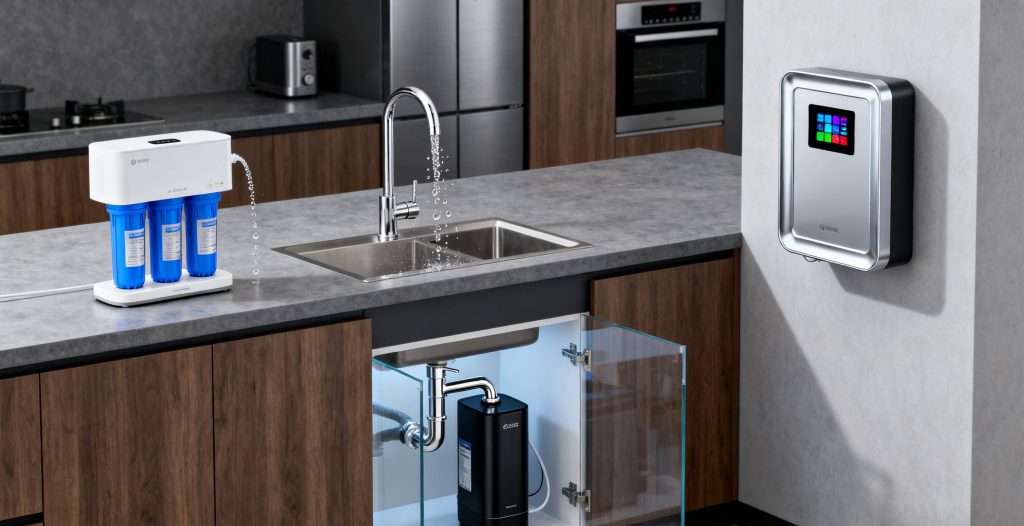
Choosing the right water purifier goes beyond simply picking a model that looks good. It’s crucial to consider factors such as water quality in the home, daily consumption needs, installation space, and budget. Testing the local water quality is a good starting point, as it helps identify specific contaminants that need addressing. Daily water consumption should also be assessed; a larger family may require a more robust system, while a single household might not need as extensive a purifier. Additionally, the available installation space can determine whether a countertop model, under-sink system, or a whole-house purifier is appropriate. Lastly, the budget is an essential factor, as prices can range widely depending on features and types.
Maintenance Requirements
Regular maintenance is key to keeping any water purifier functioning effectively. Depending on the type of purifier, maintenance requirements can vary. For activated carbon filters, it generally involves replacing the filters every 6 to 12 months. Reverse osmosis systems often require periodic filter replacements, including pre-filters and post-filters, as well as the RO membrane, typically every 2 to 5 years. Regular cleaning is also necessary to prevent bacterial growth. UV purifiers have their own maintenance, mainly requiring a bulb replacement every year or two to ensure effectiveness. Knowing these maintenance needs will help homeowners plan accordingly and avoid health risks from a malfunctioning purifier.
Eco-Friendliness of Water Purifiers
With growing concerns about environmental sustainability, the eco-friendliness of a water purifier can influence consumer choices. Some systems produce waste water, like reverse osmosis units, while others focus on being energy efficient and minimizing waste. Water filters, particularly those that use activated carbon, tend to have a lower environmental impact as they don’t require electricity. Additionally, many brands now offer recyclable filter cartridges, reducing waste in landfills. Choosing an eco-friendly option contributes to environmental preservation while ensuring access to clean drinking water.
Top Brands to Consider
Numerous brands dominate the water purifier market, and choosing from recognized names can ensure quality and reliability. Brands such as Brita, Aquasana, and PUR are well-known for their effectiveness and affordability in the countertop filter category, while brands like APEC and Home Master lead the pack in reverse osmosis systems. For UV purifiers, manufacturers such as Viqua and Sterilight are reputable choices. Each of these brands offers warranties and customer service, making them trustworthy options. Researching specific models and reading reviews can greatly assist in narrowing down the best choice from these established brands.
Health Implications of Clean Water
The quality of drinking water directly impacts health. Contaminated water can lead to various health issues, including gastrointestinal diseases and neurological disorders. For instance, lead contamination is especially harmful to children, leading to severe developmental issues. On the other hand, having access to purified water can boost overall health, improving hydration and ensuring nutrition absorption. Water purifiers play a crucial role in mitigating these risks by providing safe drinking water, thus promoting better health for all household members.
Equipping a home with the right water purifier is an investment in health and well-being. With diverse options and considerations, selecting a purifier that meets unique needs can improve water quality and enhance family hydration routines. Proper research and understanding of the available systems will lead to a selection that not only ensures safety but also aligns with lifestyle and environmental values.