
When it comes to ensuring that household drinking water is safe and clean, water purifiers play a crucial role. With a variety of options available on the market today, understanding which water purifier suits one’s needs can be essential for maintaining good health and enjoying great-tasting water.
Choosing the Right Type of Water Purifier
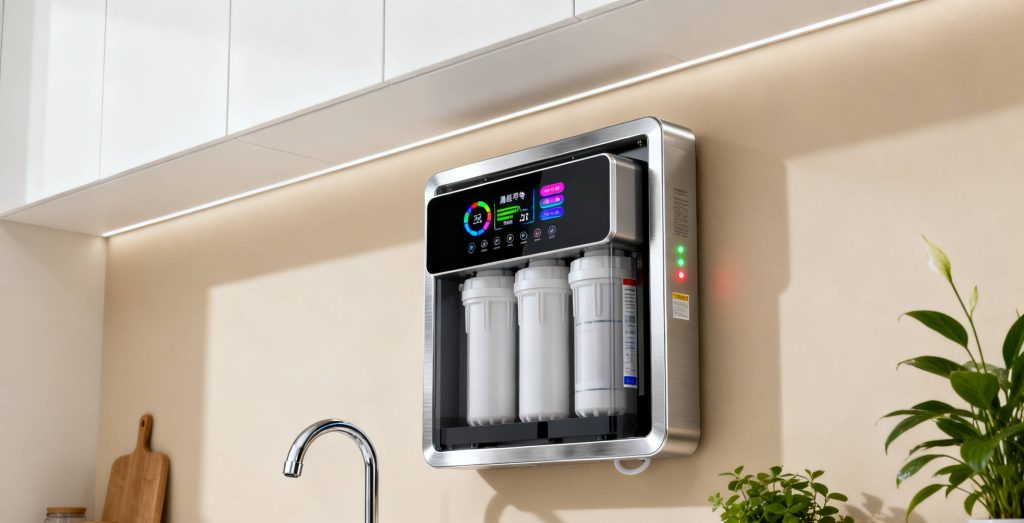
Among the first steps is to determine which type of water purifier is best suited for the home. The primary types include reverse osmosis (RO), carbon filtration, and ultraviolet (UV) systems. Reverse osmosis purifiers are known for their ability to remove a wide array of impurities, including dissolved solids, which makes them a preferred choice in areas where water quality is questionable. Carbon filters are more straightforward and very effective at removing chlorine and improving taste, making them ideal for those who want a more affordable option for moderately contaminated water. UV purifiers focus on eliminating bacteria and viruses but normally do not address chemical contaminants. Therefore, one must consider the specific water quality issues before making a decision.
Understanding Water Quality
Every water source varies in terms of contaminants present. Common contaminants include bacteria, heavy metals like lead, pesticides, and sediments. To make an informed choice, it’s highly advisable to conduct a water quality test, which can usually be obtained from local municipalities or through commercial testing kits. This analysis reveals the specific impurities that need addressing, thus directing the selection of the most efficient water purifier. For example, if the presence of heavy metals is confirmed, a reverse osmosis system might be necessary, while for high chlorination levels, a carbon filter would suffice. Knowing the quality of water helps ensure that one’s investment into a water purifier meets the actual needs of the household.
The Benefits of a Reverse Osmosis System
Reverse osmosis systems are among the most effective for home use due to their multi-stage filtration process. These systems typically consist of a pre-filter, a membrane that removes contaminants, and a post-filter to enhance taste. They are particularly effective against substances like arsenic, nitrates, and fluoride, making them highly valuable for homeowners living near agricultural or industrial areas. Additionally, reverse osmosis systems are generally compact and can easily fit under a sink, providing fresh water on demand without taking up too much space. As a significant bonus, many reverse osmosis systems also come generous gallon-per-day capacities, making them convenient for larger households.
The Role of UV Purification
UV purifiers offer a unique solution to ensuring water safety by using ultraviolet light to eliminate potentially harmful microorganisms. This method does not involve chemicals, making it an environmentally friendly option for those concerned about chemical exposure. They are particularly useful in households that rely on well water or other sources more prone to biological contamination. While UV purifiers can effectively disinfect water, homeowners must combine them with a sediment filter or carbon filter to address other types of contaminants, sharpening the overall water safety profile. Regular maintenance is crucial, primarily changing lamps annually, ensuring the UV light remains at optimal efficacy.
Portable Water Purifiers for Travel
For those constantly on the go or living in temporary accommodations, portable water purifiers can be a practical choice. Options such as portable filter bottles or compact, battery-operated purifiers provide reliable water purification on demand. These units effectively remove bacteria, protozoa, and some chemical contaminants, making them essential for adventures or emergency preparedness. While they may not replace an installed home system, portable purifiers allow individuals the flexibility to have clean, safe drinking water anywhere, anytime. They’re perfect companions for hiking, camping, or even international travel where water safety might be a concern.
Final Thoughts on Choosing the Right Water Purifier
Selecting the right water purifier is critical for enhancing the standard of living at home. The process involves evaluating the specific water quality concerns, understanding different purification methods, and determining which system aligns with household needs and lifestyle. With the right purifier in place, not only is drinking water made safer, but it also improves the overall flavor and aroma, encouraging everyone to stay hydrated. Investing in this essential appliance ultimately secures peace of mind, knowing that the water consumed is as pure and safe as possible. Researching options, reading consumer reviews, and possibly consulting with professionals can aid in making an educated choice. The journey to fresher, cleaner water can start today by exploring various water purifier models that will transform one’s home experience.