
Choosing the right mobility scooter can significantly enhance independence and quality of life. With a variety of options available, understanding the essential features is crucial. This article explores key considerations that can help in making an informed choice for mobility.
Prioritizing Safety Features
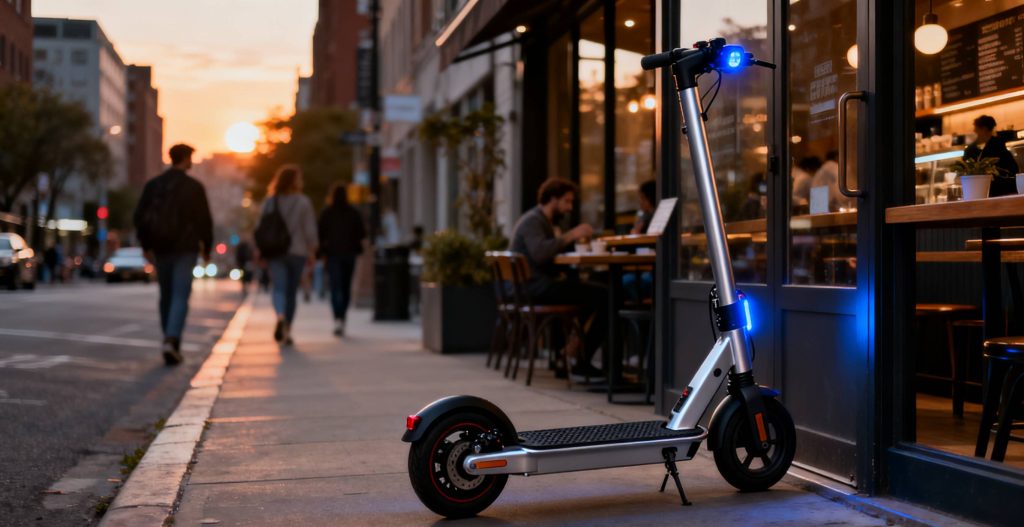
When selecting a mobility scooter, safety is a paramount consideration. Look for scooters equipped with essential safety features such as headlights, taillights, and turn signals to ensure visibility during travel, especially in low-light conditions. Additionally, ensure that the scooter has anti-tip wheels that provide stability on various terrains. Many scooters come with a built-in braking system that immediately engages when the user stops, significantly reducing the risk of accidents. Furthermore, electric scooters should have a user-friendly control panel that allows for easy adjustments while in motion. Understanding these safety features can ensure a safer experience, providing peace of mind while navigating the outdoors or indoors.
Understanding Weight Capacity
Every mobility scooter has a specified weight capacity that must be adhered to for optimal performance and safety. Selecting a scooter capable of comfortably supporting the intended user’s weight is essential to prevent functionality issues. Typically, standard models can accommodate weights ranging from 250 to 300 pounds, while heavy-duty options can support up to 500 pounds or more. It’s essential to consider not only the weight of the user but also any additional cargo they may wish to carry. This ensures that the mobility scooter operates efficiently without risking damage or malfunction from excess weight, leading to a safer and more effective mobility solution.
Assessing Battery Life
Battery life often determines how far a mobility scooter can travel before needing a recharge. Models with larger batteries generally provide greater mileage, allowing for longer trips without interruptions. The average mobility scooter can travel between 15 to 30 miles on a single charge. Assessing your daily needs, such as the distance between home, shops, or other destinations, can help in choosing a scooter with adequate battery capacity. Moreover, understanding the types of batteries used—whether they are lead-acid or lithium-ion—can provide insights into charging times and longevity. A scooter that supports quick charging options can be particularly beneficial for users with active lifestyles.
Navigating Terrain Capabilities
The terrain around one’s home or regular travel routes has a significant impact on which mobility scooter to choose. While some scooters excel on flat surfaces, others are designed to handle uneven terrains, providing a bumpy ride. An all-terrain scooter often comes with strong, durable tires and suspension systems that can manage rough paths, gravel, or hills. It’s essential to consider the scooter’s ground clearance and tire quality, as these features can affect overall ease of use in varied landscapes. Knowing the types of surfaces a scooter will regularly encounter aids in choosing a model that ensures a comfortable ride without constant wear and tear.
Evaluating Comfort Factors
Comfort should not be overlooked when selecting a mobility scooter. Spend some time considering the seat design, padding, and overall ergonomics before making a decision. Many scooters offer adjustable seat heights and widths for a more tailored fit. Look for additional features such as armrests, headrests, and even reclining seats to boost comfort during longer rides. Keeping in mind the type of journeys you plan on undertaking, a scooter with better lumbar support and additional cushioning can make a significant difference in reducing fatigue. Comfort translates to longer usage without discomfort, contributing positively to the overall experience of using a mobility scooter.
Portability and Storage Options
Portability is often a critical need for individuals relying on mobility scooters. If frequent travel or transport is a consideration, look for scooters that can be disassembled easily or are lightweight. Folding scooters are particularly convenient as they can be transported in the trunk of a car or carried onto public transportation without hassle. Additionally, consider the scooter’s storage capabilities—some models come with baskets or storage compartments for personal belongings. This can enhance convenience by ensuring that necessary items are easily accessible during jaunts, whether running errands or enjoying leisure time out.
Choosing the right mobility scooter can feel overwhelming due to numerous options available, but understanding the essential features can simplify the decision-making process. Factors such as safety features, weight capacity, battery life, terrain capabilities, comfort factors, and portability should all come into play. By reflecting on personal needs and expected usage, one can find a mobility scooter that not only enhances independence but also guarantees comfort and reliability. Making an informed choice leads to increased user satisfaction and improved overall mobility, empowering individuals to navigate their environments with ease and confidence.