
Managing knee pain can often feel like a daunting challenge, especially for those who lead an active lifestyle or are simply trying to get through daily tasks without discomfort. Understanding the effective strategies for relief can significantly improve one’s quality of life and make daily activities more bearable.
Understanding Knee Pain
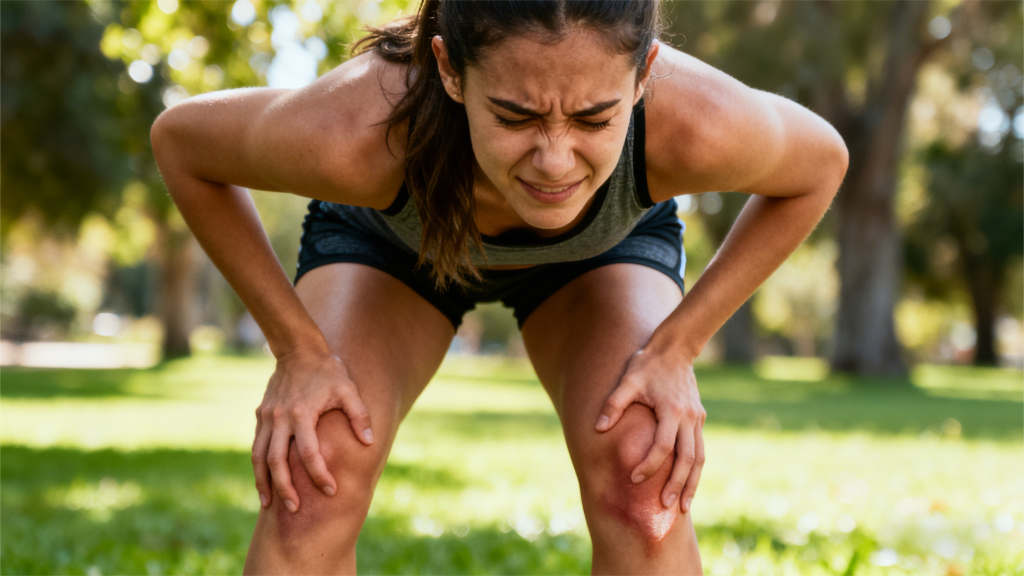
Knee pain can arise from a plethora of causes, including injuries, wear and tear from aging, or underlying medical conditions like arthritis. In fact, osteoarthritis is one of the most common reasons people experience knee discomfort, particularly as they age. When managing knee pain, it’s crucial to identify the root cause, as this can guide appropriate treatment and relief strategies. Consulting with a healthcare professional can provide insight into whether your pain stems from an acute injury or a chronic condition.
Physical Therapy and Exercises
Engaging in targeted physical therapy has shown promising results in alleviating knee pain. A physical therapist can develop a customized exercise plan that strengthens the muscles surrounding the knee, which can provide added support and stability. Low-impact exercises, including cycling, swimming, and walking, are often recommended. Such activities improve blood circulation in the knee and enhance flexibility. Consistent practice of specific stretches to loosen tight muscles can also contribute greatly to pain relief. Studies indicate that individuals who partake in regular exercise for knee pain management report significant reductions in discomfort and improved overall joint function.
Weight Management
Excess weight can place tremendous pressure on the knees, aggravating pain and potentially prolonging any discomfort experienced. Maintaining a healthy weight reduces the stress placed on weight-bearing joints, particularly the knees. Implementing a balanced diet complemented by regular physical activity is essential for weight management. Not only does this approach help in reducing pain, but it also enhances overall well-being. Nutrient-dense foods rich in antioxidants, vitamins, and minerals can contribute to better joint health and support the body’s natural anti-inflammatory responses.
Hot and Cold Therapy
Utilizing heat and cold therapy is a simple yet effective method for managing knee pain. Applying cold packs can reduce inflammation and numb sharp pain, particularly after activity. On the other hand, heat therapy, such as warm baths or heating pads, can relax and soothe stiff muscles and joints. Each method has its place in a pain management routine. For instance, alternating between hot and cold treatments can help manage flare-ups. Following physician guidelines on the best application techniques and times can optimize the benefits of this approach.
Over-the-Counter Pain Relievers
Many individuals turn to over-the-counter pain medications, like acetaminophen or ibuprofen, for quick relief of knee pain. These medications can help reduce inflammation and alleviate discomfort when taken as directed. However, reliance on pain relievers should be approached with caution. Long-term use can lead to adverse effects, so it’s advisable to consult with a healthcare professional regarding appropriate usage and alternative pain management strategies. Understanding the balance between medication and other relief methods can facilitate a more effective overall approach.
Assistive Devices
Incorporating assistive devices such as knee braces or supports can provide added stability and alleviate pain during activities. Such devices work by redistributing weight away from the affected area, thus reducing strain on the knee. Additionally, using orthotic inserts in shoes can improve alignment and provide further support. Many individuals find that using a cane or walker assists in maintaining balance while relieving pressure on the knees. Exploring various options and discussing their effectiveness with a healthcare professional can lead to a personalized management plan.
Exploring Alternative Therapies
Alternative therapies, such as acupuncture or massage therapy, are gaining recognition for their potential in managing knee pain. Acupuncture can promote the body’s innate healing processes by targeting specific points for pain relief. Similarly, massage therapy can improve circulation, reduce muscle tension, and relieve pressure on the joints. Each person’s experience with these therapies can vary, so it’s vital to communicate with practitioners about specific expectations and seek out qualified providers to ensure effective treatment. Conducting thorough research and reading reviews can guide selections based on individual preferences and needs.
Finding the best strategies for managing knee pain relief often requires patience and a willingness to try different avenues. The effectiveness of these methods can vary widely, so keeping an open mind and experimenting with different combinations could lead to breakthroughs in pain management. Ultimately, prioritizing one’s health and consulting with healthcare professionals can provide the guidance needed to create a personalized pain relief plan. Consistency in tackling knee pain using various techniques, whether through a healthy lifestyle, seeking physical therapy, or exploring alternative therapies, can pave the way for a more comfortable and active life.
For further information or resources related to knee pain management strategies, consider exploring reputable websites that cater to health conditions or consult with a specialist in the field.